
-
Home

-
Blog
-
Construction Blog
- MN Power Limited vs. Electrical License
Blog
MN Power Limited vs. Electrical License
 RocketCert Staff
 05.14.2026
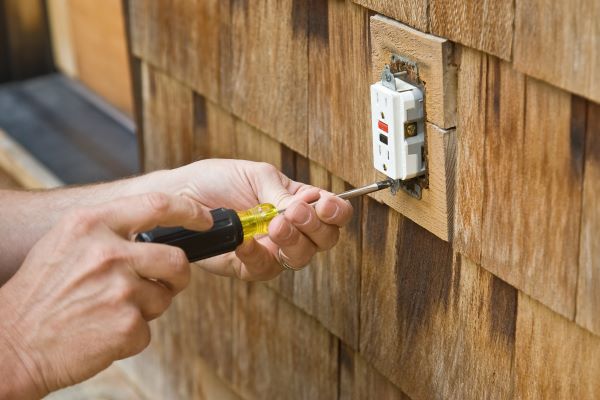
A hundred years ago, only about half of the private homes in the U.S. had electricity, and electrical appliances like vacuums and irons were just starting to gain popularity. Today, people use light switches, refrigerators, and computing technology without a second thought about the convenience that electricity provides.
Of course, electrical systems must be properly installed and maintained to continue functioning, and skilled electricians are an important part of the equation. If you're a Minnesota resident interested in a career in this in-demand field, you must first obtain a license from the state's Minnesota Department of Labor and Industry.
You should start by understanding the differences between electrical licenses. What licensing options are available, and what does each entail?
Power Limited and Electrical License
The two main licensing categories to consider are power limited and electrical. Each license permits specific types of work.
As a power limited technician, you may be involved in the planning, layout, installation, alteration, maintenance, repair, and supervision of electrical projects involving technology-focused systems, such as alarm, data, and communication systems (typically 50V or less).
As for general electrical licenses, there are several subcategories, including class A or class B journeyworker, class A or B master, and electrical contractor. These license types permit planning, layout, installation, alteration, maintenance, repair, and supervision of electrical projects involving line voltage (120V).
Requirements for Obtaining Electrical Licenses
To obtain a power limited license in Minnesota, applicants must first complete 36 months of qualifying technology circuits/systems experience covering the following areas:
- Planning
- Layout
- Supervision
- Wiring
- Installation
- Maintenance
- Line work
- Elevators
- Wiring and maintaining process control circuits or systems
Alternatively, applicants may substitute a 2-year post-high school electrical course or other technical training approved by the department for up to 12 months/2,000 hours of experience.
Additional experience is required for an electrician's license. Journeyworker applicants must complete at least 48 months of qualifying work experience. They may substitute a 2-year post-high school electrical course or other technical training approved by the department for one year of experience.
To obtain a master electrician license, you must complete at least 60 hours of qualifying experience, and before you can become an electrical contractor, you must first hold a class A master electrician license and serve as an owner, officer, or member of an electrical business. You must also pass state exams to obtain electrical licenses.
What to Expect With Exams
State exams are designed to test your capabilities in your chosen field. The Power Limited Technician Exam, Class A Journeyworker Electrical Exam, and Class A Master Electrical Exam each consist of 80 questions related to knowledge areas within the scope of the applicable license.
You will have 5.5 hours to complete each open-book exam, and you must answer at least 70% of the questions (56) correctly to pass.
Preparing for Your Preferred Exam
Exam prep is a critical aspect of passing state tests on the first try. The right program will be designed to accommodate working professionals, with 24/7 online access for self-paced learning, as well as courses developed by industry experts and educators.
Are you ready to obtain a limited power or electrical license in Minnesota? Contact RocketCert now to get started.

 Facebook
 Twitter
 Linkedin
 Gmail
Gmail