
-
Home

-
Blog
-
Construction Blog
- What Are the Different Types of Construction?
Blog
What Are the Different Types of Construction?
 RocketCert Staff
 04.13.2026
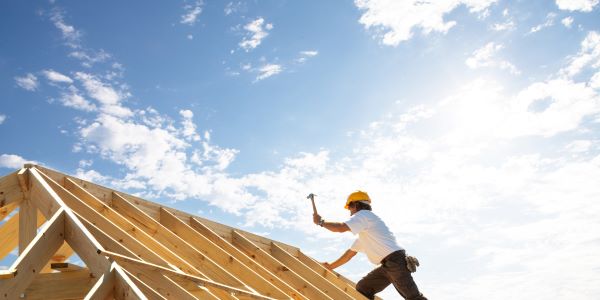
As interest in skilled trades continues to grow, it’s wise to consider a job that not only matches your strengths and interests but also offers a stable career path with opportunities for advancement. The construction industry employs a diverse range of skilled workers, including contractors, plumbers, electricians, roofers, safety officers, and others.
Different states have their own rules regarding licensure, including education, experience, and testing requirements. Before you leap into an apprenticeship and start working toward a journeyman license, you need to understand the different types of construction.
The Main Types of Construction
According to the International Building Code (IBC), there are five main categories of construction. Buildings are classified by their ability to withstand fire, based on the materials used, and apply to different scopes and uses.
Type I: Fire-Resistive
This type of building relies on materials and techniques designed to minimize the spread of fire and maintain structural integrity in the event of a fire. Typically constructed with concrete, brick, and steel for floors, columns, and beams, Type I buildings are rated to resist fire for 1-4 hours.
The goal is to provide adequate time for occupants to escape and firefighters to reach the scene and extinguish flames. Buildings in this category include high-rise housing and commercial spaces over 75 feet tall.
Type II: Non-Combustible
Non-combustible construction involves materials that are highly resistant to fire and unlikely to release harmful gases or fumes in the event of a fire. Materials like steel, concrete, and masonry are used for floors, columns, and roofing, as well as walls and partitions.
Schools, shopping malls, and a variety of commercial structures fall into the Type II building category.
Type III: Ordinary
Type III buildings are sometimes referred to as “brick-and-joist” construction because they typically include non-combustible, internal structural elements like floors and framing in reinforced masonry, along with combustible finishing materials, such as wood framing, plaster, and so on.
This type of building is considered more economical than Types I and II but may require additional fire safety measures like fire-resistant surface treatments or sprinklers. Older schools, smaller commercial buildings, and private homes fall into this category.
Type IV: Heavy Timber
As the name implies, heavy timber construction involves the use of large, solid wooden beams for flooring and columns, often joined with metal hardware (plates, bolts, etc.). Although it is combustible, it also resists fire and chars slowly, slowing the spread of fire.
Churches, barns, factories, cabins, and some residential and commercial buildings (such as lodge-style homes or rustic hotels) opt for heavy timber construction.
Type V: Wood-Frame
Type V buildings primarily use wood (lumber, engineered wood, wood panels, etc.) as the main structural element. These materials are highly combustible, which is why they’re sometimes treated with fire-retardant, and buildings may feature added safety measures, such as sprinkler systems.
This type of construction is mainly used for residential and small commercial structures because it is cost-effective and supports efficient construction practices.
Start Your Construction Career on the Right Foot
Understanding the different building types can help you plan your preferred career path. When you’re ready to obtain a construction license in your state of residence, contact RocketCert to discover exam prep programs designed for working professionals.

 Facebook
 Twitter
 Linkedin
 Gmail
Gmail