
-
Home

-
Blog
-
Construction Blog
- Basic Electrician Tools You Need as an Apprentice
Blog
Basic Electrician Tools You Need as an Apprentice
 RocketCert Staff
 03.16.2026
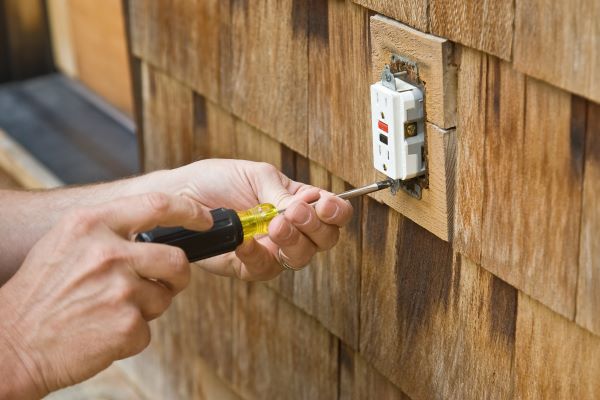
Electrical work requires the right tools for the job, no matter what stage of your career you're in. Electrical apprentices often begin without a clear image of what tools they'll need in real job-site conditions. Here are some of the must-have essentials that will help you work safely as you build up the experience to take your electrician license exam.
A Practical Toolbelt
Having a comfortable tool belt lets you keep all of your essential tools within arm's reach. That makes a huge difference in your day-to-day work experience. You'll save time and have easier access when moving between panels, ladders, and other tight areas.
A Reliable Multimeter
Verifying circuits is an integral part of daily duties as an electrician. It's essential to get the job done right and maintain safety. A basic multimeter is a highly versatile tool for checking voltage, continuity, and resistance. Make sure you know how to use yours properly.
Assorted Wire Strippers and Cutters
Having wire strippers that can handle multiple conductor sizes will make removing insulation much easier. A pair of diagonal cutters is another excellent addition to ensure clean ends. Having a utility knife on hand for odd jobs that pop up is another smart move.
Lineman's, Needle-Nose, and Tongue-and-Groove Pliers
Not all pliers are the same. You should have a variety available, including lineman's, needle-nose, and tongue-and-groove pliers. That way, you can handle twisting and splicing, reach tight spaces, and properly manage fittings and locknuts.
Insulated Screwdrivers
Insulated screwdrivers are useful when doing typical panel and device work. Make sure yours have a proper bit fit and a handle that lets you apply consistent torque. This helps prevent stripped terminals and loose connections from affecting your work.
A Compact Drill and Bits
Whether drilling studs or mounting boxes, a compact drill or driver will make work much quicker and more consistent. Keep yours on hand and remember to charge it. A dedicated pouch for bits will ensure you always have what you need.
Assorted Tape, Ties, and More
As an electrician, you'll make heavy use of various minor items. Electrical tape is one example. A fish tape is great for routing conductors through walls. Cable ties are great for neatly dressing conductors in panels. Having labels ready to go is also essential to keep everything identifiable during inspections.
A Torpedo Level
Torpedo levels provide an effective way to align devices, boxes, and more. You can use your level alongside careful layout marks to improve both the appearance and longevity of your work.
The Right Personal Protective Equipment
Of course, you can't overlook personal protective equipment. Make sure you have safety glasses and work gloves, along with hearing protection when required. For specific work, you may need voltage-rated gloves, insulated mats, or arc-rated equipment.
Building Your Electrician Career
While the right tools are necessary, there's more to becoming an electrician than that. You'll need the proper amount of work hours and documented experience to get an electrician's license in your area. RocketCert helps you ace your exams with self-paced education that really works. If you're getting ready for your license, RocketCert can help.

 Facebook
 Twitter
 Linkedin
 Gmail
Gmail