
-
Home

-
Blog
-
Construction Blog
- How Do I Get an OSHA Forklift Operator Certification?
Blog
How Do I Get an OSHA Forklift Operator Certification?
 RocketCert Staff
 02.04.2026
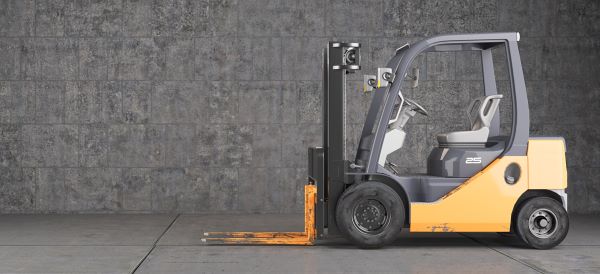
Every job requires you to master certain tools of the trade to complete necessary tasks, but not all of them require you to operate heavy machinery. If you plan to work in a warehouse, the construction industry, or heavy material handling, knowing how to operate a forklift can help you stand out.
Just as you must obtain a driver's license to operate motor vehicles on U.S. roadways, you'll also need to meet the national requirements for operating heavy machinery at work sites. Specifically, under the Occupational Safety and Health Administration (OSHA) Standard 1910.178, operators must complete formal instruction, practical training, and certification to legally operate a forklift.
But what does this training and certification involve exactly? Here's a closer look.
Formal Instruction
Before operating a forklift, the law requires that operators receive formal training in both equipment- and workplace-related topics. Equipment education covers key subjects like:
- Differences between the automobile and the equipment
- Operating instructions, warnings, and precautions for forklifts
- Controls and instrumentation
- Steering and maneuvering
- Engine or motor operation
- Visibility
- Vehicle capacity
- Forklift and attachment adaptations, safe operation, and usage limitations
- Vehicle stability
- Typical vehicle inspection protocols and required maintenance
- Refueling or charging and recharging of batteries
- Instructions and warnings listed in the operator manual
- Operating limitations
Operators must also know how to safely operate a forklift within the work setting. That's why workplace instruction tends to center on topics like these:
- Surface conditions
- Load manipulation, stacking, and unstacking
- Pedestrian traffic
- Composition of loads to be carried and load stability
- Navigation of narrow aisles and other restricted places
- Ramps and other sloped surfaces
- Specific conditions in the workplace that could impact safe operation
- Hazardous locations
- Closed environments
Formal instruction may take the form of lectures, discussions, written materials, videotapes, or interactive computer learning. In any case, it's important to look for courses developed in accordance with OSHA standards.
Practical Training
Practical training is typically administered by an employer and may consist of demonstrations performed by certified professionals, as well as practical exercises performed by the trainee under supervision.
This training may include practical exercises in forklift loading and unloading, operation, maintenance, and workplace safety.
Certification
Following approved education and training, employers are responsible for evaluating the knowledge and performance of employees and certifying that they are authorized to operate forklifts. A certification must include the name of the operator, the name of the professional responsible for training and evaluation, and the dates of that training and evaluation.
OSHA recommends that forklift operators renew their certification every three years. Usually, the best way to do this is with up-to-date, formal instruction that includes relevant information about current work environments, infrastructure, technologies, and laws.
Preparing for Evaluation
Finding the right formal instruction is vital to ensuring you meet the requirements for certification. The best programs will be developed by industry experts and professional educators, in compliance with OSHA standards. Working professionals should also look for online courses that offer self-paced learning with 24/7 access to instructional materials.
Are you interested in expanding your skillset and professional value by obtaining a forklift operator certification? Contact RocketCert now to learn more about convenient online courses that satisfy OSHA standards.

 Facebook
 Twitter
 Linkedin
 Gmail
Gmail