
-
Home

-
Blog
-
Construction Blog
- Drone Technology in Construction
Blog
Drone Technology in Construction
 RocketCert Staff
 12.24.2025
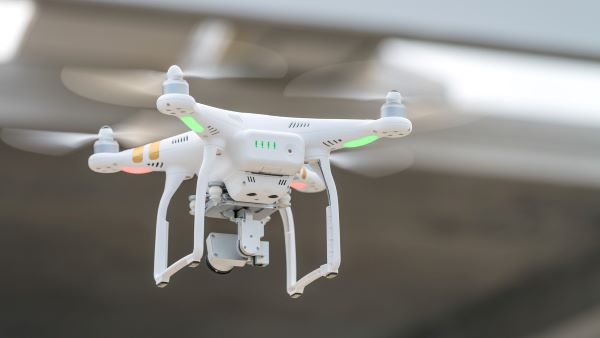
For some people, drones are just an interesting hobby. For others, advancements in drone technology have opened the door to business opportunities.
Construction companies now use drones for a variety of tasks, from mapping sites to inspecting difficult areas. Licensed contractors can incorporate drones into their work to improve safety and compliance.
How Drones Are Changing Modern Construction Sites
More construction firms than ever before are incorporating drones into projects, with this trend only expected to grow in the coming years.
Drones offer a new way to measure progress and support compliance. Instead of sending workers up onto roofs and scaffolding, you can use close-up video from drones, making inspections safer and more convenient. In this way, drones can transform how you conduct site inspections, saving your business time and money.
Drone Regulations Contractors Need to Know
This new technology brings with it a shifting landscape of regulations and requirements. One of the most important such regulations is the Federal Aviation Administration's Part 107, which governs the use of small unmanned aircraft systems, or “UAS.”
Part 107 requires anyone flying a drone for commercial purposes to hold a remote pilot certificate. It also requires businesses to register most types of drones used on-site.
Contractors must also take into account operating limits when planning. Maximum altitude, line-of-sight, and restrictions near airports are also critical details to keep in mind.
Alongside your state and local contractor licensing, insurance, and bond requirements, you shouldn’t forget about proper drone certification. You can’t assume that the general contractor license you already hold sufficiently equips your business to incorporate drones into your work practices.
Integrating Drones Into a Licensed Contracting Business
Drones can help minimize certain risks, but they also bring new ones. You should treat using drones like any other highly regulated activity. Many companies maintain compliance in the evolving landscape by creating very specific pre-flight checklists, as well as written rules about who can fly drones and when flights are allowed.
The data you collect using drones can support your overall compliance obligations. Drone-assisted maps, progress photos, and inspections will provide defensible documentation of site conditions. This material could prove vital when you have to show officials, insurers, and clients that you addressed certain issues or completed a job.
Making the Best Use of Drones for Your Team
There are many ways that drones support construction activities. Drone inspections can verify key safety details, including access routes and guardrails, without disrupting work.
It’s necessary to prepare your team to work with drones. Assign specific training for drone operators to equip these team members with the knowledge and skills required to properly use them and to meet relevant regulations and requirements.
Integrating the Latest Technology Into Your Construction Business
Drones can be a valuable tool to improve your construction workflows and make your business more competitive. However, you can run into trouble if you don’t follow the FAA’s strict rules regarding drone use.
Keep up with the latest regulations and requirements for construction contractor licenses by enrolling in RocketCert’s flexible online courses.

 Facebook
 Twitter
 Linkedin
 Gmail
Gmail